2026 Best Ways to Remodel Windows for Global Buyers?
For global buyers, 2026 is a practical time to remodel windows with clearer performance goals. Energy prices, extreme weather, and indoor comfort now influence renovation decisions. A window should do more than look attractive. It should manage heat, daylight, noise, moisture, and security.
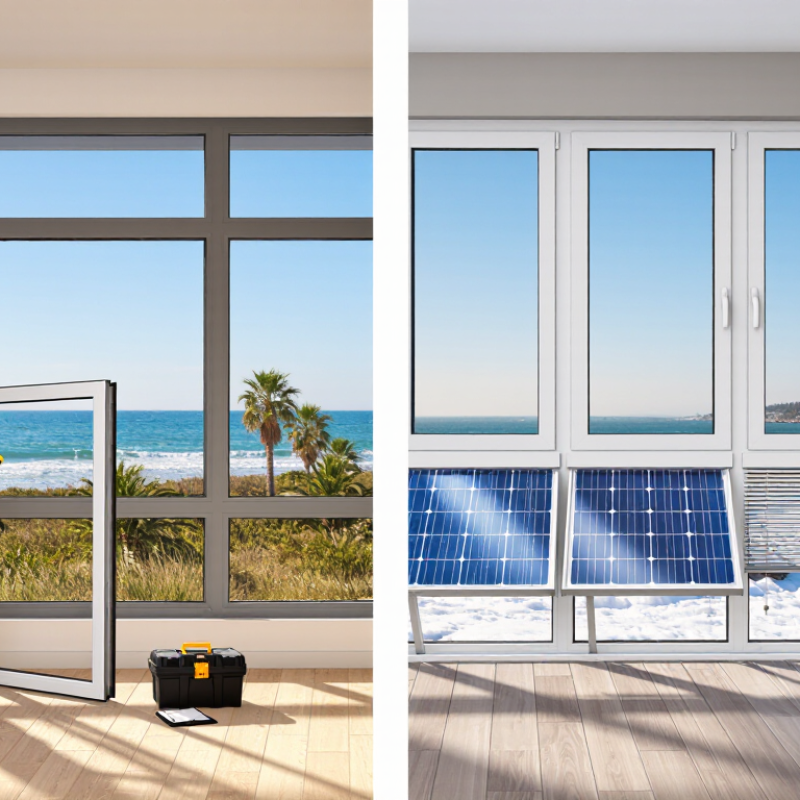
This guide explores how to remodel windows across different climates and property types. Coastal homes may need corrosion-resistant frames and stronger weather seals. Cold regions often benefit from low-emissivity glass and insulated frames. Hot areas may require solar-control glazing, exterior shading, or ventilated designs. The correct choice depends on orientation, wall construction, and local climate data.
Professional assessment matters. An experienced installer should inspect the opening, surrounding structure, drainage path, and signs of condensation. Small gaps can create drafts and hidden moisture. Installation quality may matter as much as the window itself. Ask for documented product performance, realistic warranties, and references from comparable projects.
International buyers must also check local building requirements. U-values, solar heat gain, emergency egress, safety glass, and heritage restrictions can vary widely. A product approved in one country may not suit another. That detail is easy to miss.
Budgeting needs honesty. Premium glazing may reduce energy loss, but its payback period differs by climate and usage. Replacing every window may not be necessary. Sometimes, targeted upgrades perform better.
No guide is perfect. Existing buildings can surprise even skilled professionals. This article encourages careful measurements, independent advice, and decisions based on evidence rather than fashion. Great windows should fit the building, the climate, and real daily habits.
Understanding Window Remodeling Needs in 2026
Understanding Window Remodeling Needs in 2026
Window remodeling in 2026 is less about appearance and more about climate, comfort, and long-term performance. Global buyers face different conditions, from humid coastlines to cold continental cities. A suitable window should match local weather, wall construction, and ventilation habits. There is no universal solution.
Energy performance remains important. Low-emissivity glazing can reduce heat transfer, while carefully selected solar-control glass may limit summer overheating. In colder regions, insulated frames and warm-edge spacers can improve indoor comfort near the glass. In hot, wet areas, operable windows need reliable seals and drainage paths. Small details matter.
Check the local building requirements before ordering materials. Rules may cover safety glazing, emergency exits, wind resistance, acoustic performance, and installation methods. A qualified local surveyor should inspect opening sizes and surrounding masonry. Measurements taken from old drawings can be wrong. This happens more often than expected.
Modern remodeling should also consider daily use. Easy-to-clean surfaces help high-rise residents, while low handles may support older occupants. External shading can work better than darker glass in some climates. Security should rely on compliant hardware, strong frames, and professional installation, not exaggerated claims. A polished design can still fail if condensation, poor flashing, or blocked ventilation is ignored. Allow room for repair access. That part is often forgotten.
Comparing Global Window Materials, Styles, and Technologies
Remodeling windows in 2026 is less about choosing the most expensive glass. It means matching materials, styles, and technologies to climate, orientation, and maintenance capacity. UNEP’s 2023 Global Status Report links building operations to about 30% of global final energy use. The U.S. Department of Energy estimates that windows account for 25–30% of residential heating and cooling energy use. The International Energy Agency also warns that cooling energy demand could more than triple by 2050 without stronger efficiency measures.
Aluminum frames suit large openings and humid coastal areas, but thermal breaks remain essential. uPVC often provides strong insulation and modest maintenance. Its color stability and recycling pathways vary by market. Timber offers warmth and repairability, yet it needs careful sealing and periodic coating. Composite frames can balance stiffness and insulation, but supply chains deserve scrutiny. Casement and tilt-turn designs usually seal better than basic sliders. Sliding units still help where openings are wide. This is a trade-off.
Low-emissivity coatings, gas-filled cavities, warm-edge spacers, and smart tinting can reduce heat transfer. Compare whole-window Uw, solar heat-gain coefficient, air leakage, and visible transmittance. ISO 10077-1 supports thermal-transmittance calculations, while regional certification systems verify tested performance. Ask for results at the installed size. A laboratory rating can disappoint after poor flashing or uneven frames. The sill often exposes this weakness first. Exterior shading may outperform an expensive technology package in some climates.
2026 Best Ways to Remodel Windows for Global Buyers
Comparing Global Window Materials, Styles, and Technologies
Lower whole-window U-values indicate better insulation and reduced heat transfer. Thermally improved frames, low-emissivity glazing, inert-gas fills, and triple glazing generally provide stronger energy performance than single glazing or non-thermally-broken metal frames. Values shown are representative residential design ranges; final performance depends on dimensions, glass coatings, spacers, installation quality, and local climate requirements.
Reference basis: typical whole-window performance ranges used in residential window design, consistent with EN ISO 10077 calculation principles and international window-rating practice. Lower is better.
Planning Energy Efficiency, Climate Adaptation, and Smart Features
In 2026, window remodeling should begin with climate, not appearance. The International Energy Agency reports that buildings consume about 30% of global final energy. Their operations also create roughly 26% of energy-related emissions. Better windows can reduce heat loss, solar gain, and uncomfortable drafts.
Choose glazing for the local climate zone. Low-emissivity coatings, insulated frames, and warm-edge spacers support colder regions. In hot climates, exterior shading often matters more than darker glass. Coastal homes need corrosion-resistant hardware and careful drainage. High-altitude properties may require different pressure ratings. Check local energy codes and calculate whole-window U-values before ordering. A beautiful specification can still perform poorly.
Smart features should solve real problems.
Interior sensors can track temperature, humidity, and condensation risk. Automated shades may reduce afternoon overheating, while opening alerts can limit wasted heating. The 2023 UNEP Global Status Report found that buildings and construction represented about 34% of global energy demand. This makes operational control important, but connected devices also need secure updates and manual overrides. Measure first. Then automate.
Installation deserves equal attention. A high-performance window loses value when the frame is poorly sealed or the surrounding wall remains wet. Professional air-leakage testing can reveal faults that visual inspection misses. I would not assume every smart window saves energy; climate, orientation, occupant habits, and maintenance change the result. The most reliable plan combines tested materials, qualified installation, and energy monitoring after completion.
Managing International Installation, Costs, Regulations, and Maintenance
For global buyers, window remodeling begins with local conditions, not attractive catalog images. Measure each opening twice, including wall thickness, sill height, and drainage space. A qualified local installer should confirm structural support before ordering. International projects often fail when imported windows fit the opening but not the building system.
Installation costs include shipping, customs duties, local taxes, lifting equipment, removal, and site repairs. Exchange rates can change the final budget quickly. Request a written quotation with separate product, transport, labor, and contingency amounts. A low quote may hide difficult access or damaged plaster. That is easy to miss. Allow extra time for customs inspections and replacement parts.
Regulations also vary by climate and building type. Check requirements for energy performance, safety glazing, emergency escape, ventilation, fire resistance, and storm protection. A local architect or licensed contractor can verify permits and compliance before payment. Keep technical drawings, invoices, installation records, and warranty terms in one file. Maintenance needs equal planning. Inspect seals, drainage holes, locks, and exterior finishes after heavy rain or extreme heat. Coastal air may corrode hardware faster. Dry climates can shrink sealants. Replacement components should be available locally, or shipping delays may leave one room exposed. Some assumptions will be wrong; review them after the first season.





Share On: