2026 Top Window and Door Store Types for Global Buyers?
For global buyers, choosing a window and door store in 2026 involves more than comparing product photos. Store type can influence material quality, customization, delivery support, and after-sales service. A local showroom may offer physical samples and installation advice. A specialized online supplier may provide broader styles, faster quotations, and direct factory communication.
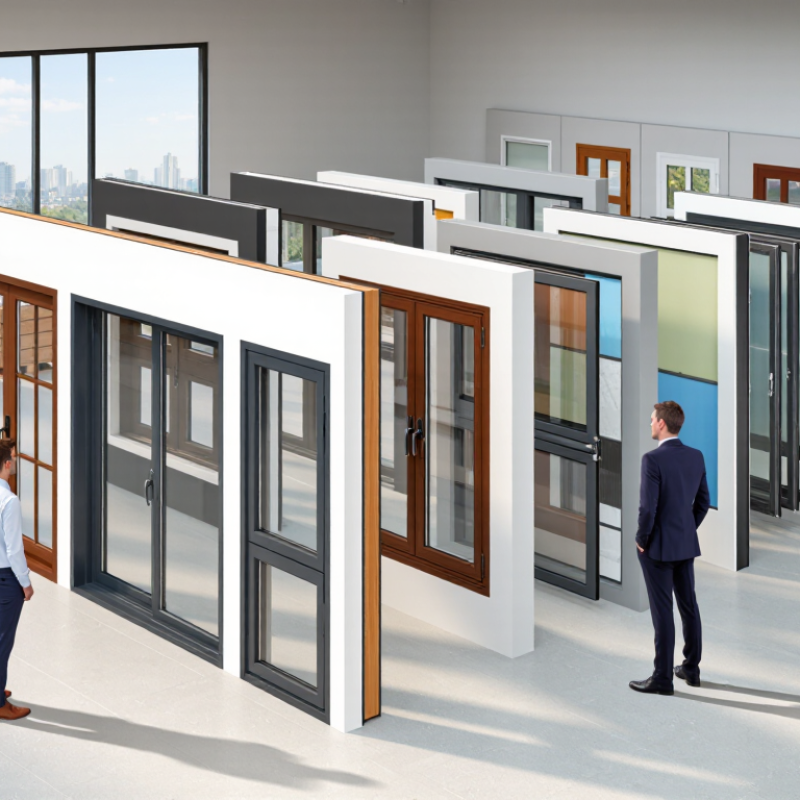
This guide examines the leading window and door store types serving international customers. It considers manufacturers, wholesale marketplaces, regional distributors, design showrooms, and project-focused suppliers. Each model has different strengths. A factory may support custom dimensions and bulk orders. A distributor may simplify regional delivery and technical assistance. A showroom may help buyers compare frame finishes, glass options, handles, and opening systems in person.
Small details matter. Check thermal performance, water resistance, hardware durability, packaging quality, and certification documents. Ask how the supplier handles damaged units or measurement errors. Reliable sellers should explain lead times clearly and provide drawings before production. They should also communicate in practical terms, not only through polished marketing images.
Real experience can still be messy. Product samples may look better than final installations. Shipping estimates can change. A low price may hide costly adjustments later. Global buyers should compare complete quotations, including packaging, freight, taxes, installation guidance, and warranty conditions. This introduction sets the direction for a careful review of store types, helping buyers select suppliers with stronger evidence, clearer communication, and better long-term value. Not every popular option fits every project. That is worth remembering.
Global Window and Door Market: A 5%–7% CAGR Outlook Through 2030
The global window and door market is projected to expand at a 5%–7% CAGR through 2030. A 5%–7% CAGR means steady, not explosive, growth. Demand will not rise evenly across every region. Climate exposure, renovation cycles, and urban housing needs will shape local purchasing patterns. In market reviews, buyers often focus on unit price first. Installation support is frequently overlooked.
For 2026, global buyers will likely compare four store types. Specialist showrooms offer physical displays, sample frames, and advice on glazing choices. Wholesale distributors suit contractors needing repeated orders and dependable stock. Online trade counters improve price comparison and access to technical documents. Project-focused suppliers can coordinate large residential or commercial requirements. However, a broad catalog may hide limited after-sales support.
A reliable purchasing process should test product performance, service quality, and delivery capability. Ask for thermal data, air-leakage figures, test methods, and maintenance guidance. Check warranty terms carefully. Regional building standards and shipping conditions can change the final cost. The 5%–7% CAGR remains an outlook, not a promise. Some forecasts may soften if construction slows or financing stays expensive. I would budget for currency changes, replacement parts, and installation delays. That small doubt matters.
2026 Top Window and Door Store Types for Global Buyers
Global Window and Door Market: A 5%–7% CAGR Outlook Through 2030
The chart uses an indexed market value of 100 in 2025 and applies compound annual growth rates of 5%, 6%, and 7% through 2030. Under these scenarios, the 2030 market index reaches approximately 127.6, 133.8, and 140.3 respectively. Common purchasing channels for global buyers include specialty window and door dealers, building-material retailers, home-improvement centers, online distributors, and direct project suppliers.
Manufacturer-Direct Stores: MOQ, 10-Year Warranties, and Factory Pricing
Manufacturer-direct window and door stores are becoming practical choices for global buyers in 2026. Factory pricing can remove distributor markups, while direct communication improves customization and quality tracking. Minimum order quantities, or MOQs, remain important. Small projects may require 10 to 30 units, depending on profiles, glass, colors, and hardware. Ask for a written quotation, production schedule, packaging details, and replacement policy.
Performance matters more than a low invoice.
The U.S. Department of Energy reports that windows can cause 25–30% of residential heating and cooling energy use. The International Energy Agency’s Buildings 2023 report also links buildings with about 30% of global final energy demand. These figures make thermal performance a purchasing issue, not decoration.
Request U-value, SHGC, air-leakage, water-penetration, and wind-load results from recognized testing laboratories.
A 10-year warranty sounds strong. Read the exclusions. Some warranties cover frames but exclude glass, finishes, installation, or coastal corrosion. That gap can become expensive.
Experienced buyers should compare total landed cost, not factory price alone. Include tooling, inspection, freight, duties, insurance, installation, and local service. Factory-direct stores can offer better control, but quality still depends on drawings and inspection.
I have seen attractive quotations fail because dimensions changed late. Measure twice. Confirm once.
A pre-shipment inspection, photo records, and signed specifications improve reliability, although no process removes every risk.
Distributor Showrooms: Stock Depth, 6–12-Week Lead Times, and Local Delivery
For global buyers, distributor showrooms remain practical when projects need visible stock, technical advice, and dependable delivery. The U.S. Census Bureau reported about 1.6 million privately owned housing completions in 2024. That volume supports regional inventory, especially for standard window sizes and common door configurations.
A strong showroom should display complete samples, not only corner profiles. Buyers need to test handles, seals, screens, hinges, and glazing options. Stock depth matters more than a crowded display wall. A distributor holding several color and size combinations can reduce substitution risk. The Freedonia Group’s Windows & Doors industry research identifies replacement demand as a major market segment. Replacement buyers usually value compatibility and delivery more than unlimited customization.
A six-to-twelve-week lead time is a realistic planning range for many made-to-order systems. It is not a promise. Custom glass, unusual finishes, inspections, and seasonal congestion can extend it. Local delivery adds value when trucks can reach a jobsite without complex cross-border handling. Still, buyers should request written stock counts, production dates, packaging details, and damage procedures. One weak point remains: showroom inventory can appear deep while only a few units are immediately available. A careful buyer checks the warehouse, not just the display.
Energy-Efficient Specialists: U-Factor ≤0.30 and SHGC Ratings of 0.23–0.40
2026 Top Window and Door Store Types for Global Buyers?
Energy-Efficient Specialists: U-Factor ≤0.30 and SHGC Ratings of 0.23–0.40
For global buyers, energy-efficient window and door specialists deserve close attention in 2026. They understand how glass, frames, spacers, and seals work together. A U-factor of 0.30 or lower can reduce heat transfer through the assembly. Lower values generally support better insulation during cold seasons. SHGC ratings between 0.23 and 0.40 control how much solar heat enters a room. The right value depends on climate, orientation, shading, and window size. A sunny west-facing opening may need different specifications than a shaded north-facing one. Small details matter.
During supplier discussions, request complete product data, test conditions, and independent certification. Confirm whether the rating covers the entire window or only the glass. This distinction can change the real result. Ask for air-leakage data, visible transmittance, condensation resistance, and installation guidance. An experienced specialist should explain these figures clearly. They should also discuss local building requirements and climate calculations. A low U-factor alone is not enough.
Installation can weaken excellent performance. Poorly sealed joints may create drafts around the frame. I have seen attractive specifications disappoint after rushed fitting. That remains an uncomfortable lesson. Buyers should inspect sample corners, gaskets, drainage paths, and hardware before ordering large quantities. Reliable suppliers welcome detailed questions, even difficult ones.






Share On: