
China’s die-cutting sector serves packaging, labels, electronics, medical products, and industrial materials. Its scale makes supplier selection more difficult. Not every factory offers the same engineering depth, testing discipline, or after-sales support.
Smithers’ report, The Future of Die-Cutting and Finishing to 2028, links demand growth with packaging development, automation, and shorter production cycles. MarketsandMarkets also identifies automation, digital controls, and flexible material handling as major influences on die-cutting equipment demand. These findings matter on the factory floor. A reliable machine should maintain clean edges at high speed, control registration accurately, and reduce waste during long production runs.
This guide examines leading die cutter manufacturers through practical criteria. These include machine structure, cutting accuracy, tooling compatibility, safety systems, customization, delivery records, and service coverage. Factory experience matters. So does evidence, such as test samples, inspection records, installed-machine references, and transparent specifications.
No ranking is perfect. Buyer priorities differ.
A packaging converter may value rotary speed and quick changeovers. An electronics supplier may need tighter tolerances and cleaner processing. A small workshop may prefer simple maintenance and lower operating costs. Therefore, the best manufacturer is not always the largest one. It is the supplier that matches technical requirements with dependable support.
The following overview compares notable die cutter manufacturers in China. It focuses on verifiable capabilities rather than promotional claims. Some conclusions may require further checking, especially when specifications vary between models. That caution is useful. It helps buyers move from attractive brochures toward measurable performance, realistic budgets, and long-term production reliability.
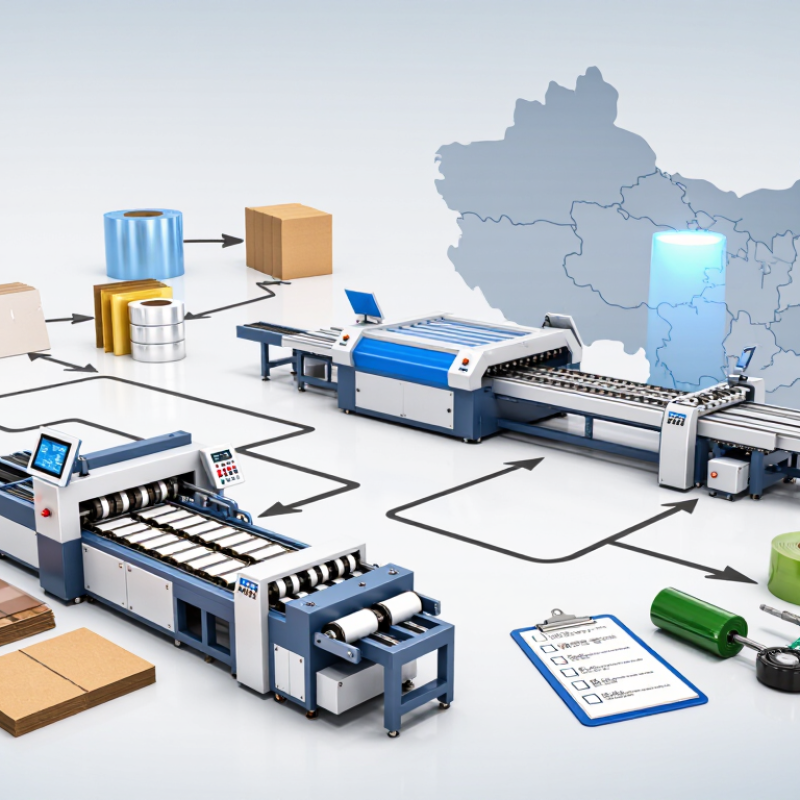
A leading die cutter manufacturer in China is defined by more than modern equipment or a large workshop. It should understand materials, cutting pressure, tooling limits, and production speed. Experienced engineers can recommend a suitable machine for paperboard, corrugated sheets, labels, or flexible packaging. They should also explain trade-offs clearly. Faster output may reduce precision or increase maintenance needs.
Reliable manufacturers provide measurable evidence. Look for sample-cutting records, inspection reports, machine tolerances, and traceable component lists. A strong quality system checks the cutting plate, feeding alignment, pressure settings, sensors, and finished sheets. Factory visits can reveal useful details, such as organized assembly areas and clean test stations.
After-sales support matters too. Response time, spare-part availability, installation guidance, and operator training affect real production results. A polished showroom can mislead. Even experienced buyers sometimes overlook service capacity.
Tips: Request test samples using your actual material and thickness. Ask for a written acceptance standard before ordering. Confirm noise levels, energy use, changeover time, and maintenance access. Speak with technical staff, not only sales representatives. Good questions expose weak processes. No factory is perfect, and honest manufacturers admit limitations. Their willingness to document problems, correct defects, and improve designs often shows more professionalism than impressive promises.
China’s die cutter industry is organized as a layered manufacturing network. Large engineering companies design complete machines, while specialized workshops supply feeders, cutting cylinders, servo drives, sensors, and control cabinets. Regional clusters then assemble, test, and export the equipment. This structure lowers costs and shortens replacement times.
The scale is substantial. China Packaging Federation statistics placed the country’s packaging industry revenue at approximately RMB 1.16 trillion in 2023. That figure includes paper, plastic, metal, and logistics packaging, not die cutters alone. Still, it shows the depth of the customer base. The World Bank also reported China’s manufacturing value added at roughly US$4.66 trillion in 2023. Such industrial capacity supports machining, automation, metal treatment, and electrical integration.
Manufacturers usually serve different tiers. Some build high-speed rotary systems for long production runs. Others focus on flatbed machines for folding cartons, corrugated sheets, labels, or specialty materials. Component suppliers often serve several assemblers, creating shared technical standards and faster maintenance access. According to industry procurement reports, buyers increasingly compare waste rates, changeover time, energy use, and remote diagnostics, rather than purchase price alone.
Public statistics rarely separate die cutter production from wider converting machinery. That is a weakness. Buyers should verify test-cut samples, hourly output, tolerance records, spare-part availability, and technician response times. A polished factory is not always a reliable factory. Supplier capability can vary sharply between models.
Chinese manufacturers that stand out in die cutting technology combine accurate engineering with practical production experience. Strong suppliers usually offer flatbed, rotary, and laser-assisted systems for packaging, labels, electronics, and protective materials. Their value is not limited to machine speed. It appears in clean edges, stable pressure, and consistent registration across long production runs.
A reliable evaluation should examine tooling control, material testing, and process monitoring. Skilled manufacturers use optical alignment, servo-driven feeding, and automated waste removal. These features reduce setup errors and improve repeatability. Ask for samples using your actual materials. Cardboard, foam, adhesive film, and thin metal behave differently. Small deviations can create expensive waste.
Factory visits can reveal more than polished brochures. Check calibration records, operator training, maintenance routines, and spare-part availability. Traceable inspections also strengthen customer confidence. No manufacturer is perfect. Even advanced equipment may struggle with unusual thicknesses or delicate surfaces. I have seen promising samples fail during extended runs because humidity was ignored. That detail matters. Buyers should request production data, not only demonstration pieces. A useful supplier will discuss limitations openly and adjust the tooling after testing. This honesty is often a stronger sign of expertise than impressive claims.
This benchmark compares common die-cutting technologies used by leading Chinese manufacturers. Rotary die cutting generally delivers the highest continuous web throughput, while laser cutting offers flexible digital processing for short runs and complex patterns. The figures are typical engineering ranges rather than company-specific rankings.
Who Are the Best Die Cutter Manufacturers in China?
Comparing Chinese die cutter manufacturers requires more than checking prices. Product quality appears in small details, such as clean edges, stable feeding, and accurate cutting across long production runs. Ask for sample sheets using your actual material, not only standard paper. Review machine videos, inspection records, and performance data before making a decision.
Customization also deserves careful attention. A reliable manufacturer should discuss die size, cutting pressure, material thickness, automation needs, and workshop space. Experienced engineers can suggest practical changes, but their recommendations should match your production goals. Request clear drawings, component specifications, testing procedures, and a written delivery schedule. Some suppliers promise everything. That can be a warning sign. Real expertise usually includes limits and trade-offs.
Tips: Compare at least three suppliers using the same checklist. Ask how they handle calibration errors, replacement parts, operator training, and remote support. Service quality becomes visible after installation, when a sensor fails or output slowly loses accuracy. Check response times and spare-part availability in writing. Factory visits can reveal useful details, including workspace organization, machine testing, and whether finished equipment is protected properly. I would not rely on polished brochures alone; one overlooked maintenance question can become an expensive lesson.
Choosing among die cutter manufacturers in China requires more than comparing quotations. Smithers’ packaging outlook forecasts global packaging demand approaching US$1.3 trillion by 2029. That growth increases pressure on suppliers to deliver stable precision, not merely attractive samples. Ask for cutting tolerances, repeatability data, and material trials using your actual board, film, foam, or adhesive stock. A clean sample proves little.
Inspect the process closely. Can the manufacturer control steel-rule height, platen pressure, stripping, and registration? Request recent inspection records, calibration certificates, and a documented corrective-action process.
ISO’s 2023 Survey recorded more than 1.26 million ISO 9001 certificates worldwide, but certification alone does not guarantee good die-cutting. Review the factory’s real production records. Check tool-change time, reject rates, maintenance logs, and batch traceability. Small details matter.
Capacity claims also need testing. Compare quoted output with your required cycle speed, waste allowance, and seasonal demand. Request a pilot run and measure edge quality under a microscope, not only by touch.
Clarify lead times for tooling, spare parts, engineering changes, and remote support. A low initial price can become expensive after repeated adjustments.
Some buyers overlook operator training and packaging damage during shipment. That is a mistake. Still, no audit is perfect; a single visit may miss night-shift problems, inconsistent raw materials, or rushed inspections. Require evidence across several production batches before approving a long-term order.
476 Main Street - Route 28
Dennisport, MA 02639
Share On: