
Choosing China’s top Angle Valve suppliers requires more than comparing prices and polished websites. A reliable supplier should demonstrate practical manufacturing experience, stable quality control, and clear technical knowledge. Look for evidence of production capacity, material traceability, pressure testing, and consistent dimensional accuracy. Ask whether the factory produces brass, stainless steel, or other valve types in-house. A serious supplier should answer specific questions without avoiding details.
Visit the factory when possible, or arrange an independent audit. Observe machining areas, assembly lines, testing equipment, and warehouse organization. Request recent samples and inspect threads, handles, seals, plating, and package protection. Small defects often reveal larger process problems. Review ISO 9001 records, inspection reports, and product certifications that match your target market. Documents alone are not enough. Their dates, scope, and issuing organizations deserve careful verification.
Communication also matters. Reliable suppliers confirm drawings, tolerances, packaging requirements, lead times, and warranty terms in writing. Test a small order before making a long-term commitment. Monitor delivery accuracy and product performance. No checklist is perfect. Even experienced buyers can overlook changes in raw material sources or subcontracted processes. Therefore, maintain regular quality reviews and keep production records. The best partner may not be the cheapest factory or the largest exporter. It should be a transparent manufacturer that can support your application consistently, respond honestly to problems, and improve when expectations are not met. This guide explains how to compare suppliers with practical questions, measurable evidence, and a more cautious purchasing approach.
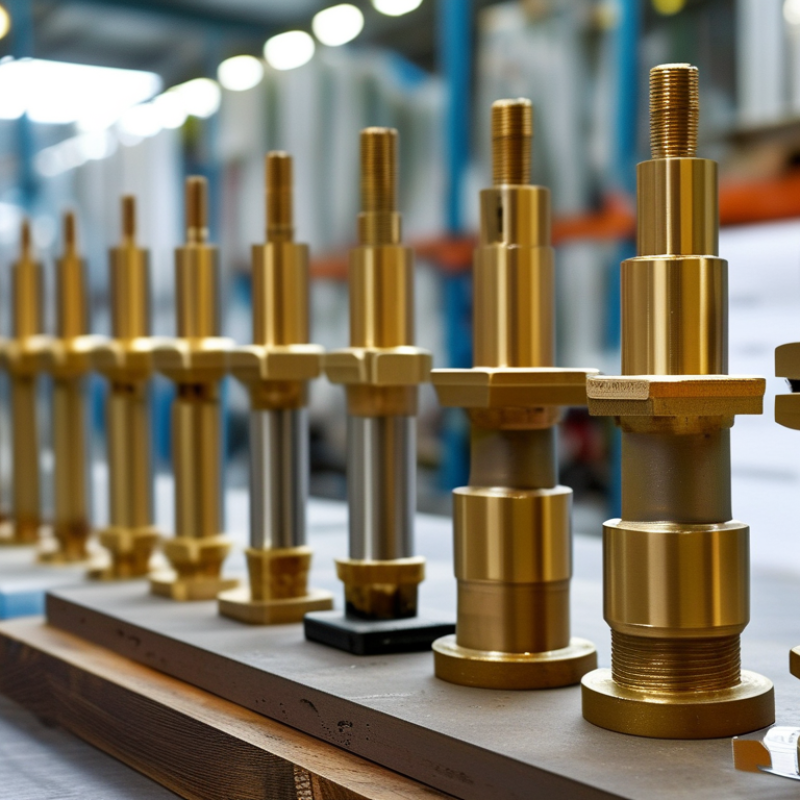
China’s angle valve manufacturing landscape includes large automated plants, specialized workshops, and export-focused factories. Production commonly involves brass forging, machining, polishing, plating, assembly, and pressure testing. Material selection matters greatly. Lead-free brass, stainless steel, and suitable sealing materials should match the intended water system and operating temperature.
When choosing a supplier, examine the complete manufacturing chain rather than the showroom. Ask for material certificates, dimensional records, pressure-test results, and batch traceability. A reliable factory should explain its thread standards clearly and control critical dimensions with calibrated equipment.
During an audit, inspect forging surfaces, machining areas, assembly benches, and storage conditions. Clean shelves do not prove quality, but careless storage often reveals weak management. It is a useful warning.
Supplier evaluation should also include production capacity, inspection staffing, tooling control, and response procedures for nonconforming valves. Certifications can support credibility, yet certificates alone cannot replace sampling and independent verification.
Request samples from normal production, not specially prepared pieces. Check handle movement, stem sealing, thread accuracy, surface coating, and leakage after repeated operation. Small details count. Some suppliers provide excellent first samples but inconsistent later batches.
This is where purchase specifications, approved samples, and pre-shipment inspections become practical safeguards. A thoughtful buyer should also leave room for improvement, because even a well-managed factory may show occasional measurement gaps or documentation errors.
Defining your project’s angle valve requirements should happen before comparing suppliers in China. A valve that looks suitable may fail after repeated operation. Start with the working medium, pressure range, temperature, and expected service life. Water, compressed air, and mildly corrosive fluids require different material choices. Be precise.
Measure the connection details carefully. Record inlet and outlet sizes, thread types, installation direction, and available clearance. A small mismatch can delay installation or cause leakage. Specify the body material, sealing material, handle style, surface finish, and required flow rate. For frequent use, include a cycle-life target. For concealed spaces, check whether the handle remains accessible.
Ask potential suppliers for drawings, material declarations, dimensional inspection records, and pressure-test results. Samples should match the proposed production design, not a better temporary version. This detail is often overlooked. I have seen projects approve a sample, then discover different thread tolerances during mass production. Request batch traceability and define acceptable leakage limits in writing.
Consider packaging and delivery conditions too. Individual protection may prevent scratched finishes and damaged threads. State your inspection method, sampling level, labeling needs, and replacement process before placing an order. A practical specification is more useful than a long one. Leave room for review, because early assumptions can be wrong.
Before comparing suppliers, define the valve requirements that can be verified in technical documents. DN15, DN20, and DN25 correspond to common nominal connection sizes for building water systems, while PN10 and PN16 are standardized nominal pressure classes. Material, connection standard, pressure rating, and required certifications should be confirmed against the project specification and applicable standards.
Choosing a China-based angle valve supplier requires more than comparing unit prices. In factory audits, I examine machining areas, assembly benches, and final inspection records. A reliable supplier should explain brass or stainless-steel grades, sealing materials, pressure ratings, and thread standards clearly. Ask for current test reports, not scanned documents with missing dates. Short answers deserve attention.
Certifications support trust only when they are relevant, valid, and traceable. Verify the certificate number with the issuing organization, then compare its scope with the actual valve production line. An ISO 9001 certificate shows process management, but it does not prove every valve is leak-free. Request sample inspection data, pressure-test procedures, and corrective-action records from recent batches. I prefer suppliers that accept independent inspections before shipment.
Production capacity should be measured through equipment, staffing, material flow, and realistic monthly output. Do not rely on a large figure quoted by sales staff. Check whether molding, machining, plating, and testing are performed in-house or subcontracted. Capacity can collapse during peak seasons. Ask for lead-time history across several orders, including delayed shipments and their causes. I have sometimes trusted polished samples too quickly; that mistake makes batch records more important.
How to Choose China Top Angle Valve Suppliers?
Comparing Pricing, Customization, and Order Terms
Price should be compared by specification, not by the first quotation. A low price may reflect thinner brass, weaker plating, or fewer pressure tests. Request a detailed breakdown for body material, cartridge type, connection size, packaging, and inspection. In my sourcing experience, unclear specifications create expensive revisions later. Ask for sample approval before placing a larger order. It saves time.
Customization can include handle shape, outlet direction, surface finish, logo placement, and retail packaging. Confirm which changes require new tooling. Also check the tooling fee, sample charge, and expected production life. A supplier may promise flexibility, but the factory must confirm drawings and tolerances. Keep technical files controlled. Small details matter.
Order terms deserve equal attention. Review the minimum order quantity, production lead time, payment stages, and replacement policy for defects. Clarify whether the quoted price includes export packaging and pre-shipment inspection. For repeated orders, negotiate a written price-review method when raw material costs change. Do not rely on chat messages alone. A signed specification sheet is stronger evidence. I have seen buyers focus on unit price and overlook a sixty-day lead time. That mistake can disrupt an entire installation schedule. Leave room for uncertainty, because forecasts are rarely perfect.
| Supplier Profile | Typical Product Range | Common Body & Seal Materials | Indicative FOB Price* | Typical MOQ | Customization Capability | Sample & Tooling Terms | Standard Lead Time | Payment Terms | Best Fit For |
|---|---|---|---|---|---|---|---|---|---|
| Standard OEM Exporter | 1/2"–1" angle valves; compression and threaded connections; residential plumbing use | Brass or dezincification-resistant brass; PTFE or EPDM seals | US$0.80–2.20 per piece | 500–1,000 pieces per size | Laser logo, color box, handle style, thread standard, and carton marking | Samples usually available; logo samples may require a small setup fee; new tooling quoted separately | 25–40 days after deposit and artwork approval | Usually 30% deposit and 70% balance before shipment | Importers seeking a balanced price and reliable standard specifications |
| High-Volume Cost Supplier | Common 1/2" and 3/4" sizes; straight-through production; standard inlet and outlet configurations | Forged brass or plated zinc alloy options; NBR, EPDM, or PTFE seals depending on specification | US$0.55–1.50 per piece | 2,000–5,000 pieces per size | Limited customization; packaging, handle color, and basic marking are normally supported | Standard samples are low-cost or refundable; custom tooling generally requires a volume commitment | 20–35 days for repeat orders | 30% deposit with balance against shipping documents or before shipment | Distributors and projects where unit price and repeat volume are the main priorities |
| Custom Engineering Supplier | Special inlet/outlet combinations, extended stems, anti-siphon designs, and application-specific assemblies | Brass, stainless steel, or engineered alloys; seal selection based on temperature and media requirements | US$2.00–6.50 per piece | 300–1,000 pieces per design | High: drawings, prototypes, materials, surface finish, testing, packaging, and private-label documentation | Paid samples are common; tooling and engineering charges are normally quoted after drawing review | 40–70 days for new designs; 30–45 days for repeat orders | 30%–50% deposit; balance after inspection or before shipment | Technical brands, contractors, and buyers requiring application-specific valve designs |
| Compliance-Focused Supplier | Standard and premium angle valves for regulated plumbing, water, and building-material channels | Lead-free brass options, stainless steel, PTFE, EPDM, and other application-specific sealing materials | US$1.50–4.80 per piece | 500–2,000 pieces per model | Moderate to high: materials, markings, packaging, test requirements, and documentation can be specified | Samples generally paid; material and performance test reports may be available upon request | 35–55 days depending on testing and inspection requirements | 30% deposit and 70% after inspection or before shipment; terms depend on order history | Markets requiring traceability, material declarations, and documented quality control |
| Small-Batch Flexible Supplier | Popular residential sizes; mixed-size orders; standard threaded and hose-connection options | Brass or stainless steel bodies; common elastomer seals selected by service conditions | US$1.20–3.20 per piece | 100–500 pieces per size | Good for packaging, handle color, mixed cartons, and minor dimensional adjustments | Samples usually available quickly; major design changes may not be economical at low volume | 15–30 days for standard items | Full payment for small trial orders; 30% deposit for larger orders | Start-ups, regional distributors, and buyers testing a new product assortment |
Choosing China’s top angle valve suppliers requires evidence, not attractive catalog pages. Request production samples from different batches. Check body material, thread accuracy, handle torque, sealing performance, and pressure resistance. Photograph every test result. One sample can lie.
The 2022 ISO Survey recorded 1,265,216 ISO 9001 certificates worldwide. Certification helps, but it does not replace a factory audit. Review incoming-material records, supplier traceability, leak-test procedures, calibration dates, and nonconformance reports. Ask auditors to witness pressure testing and inspect random cartons before shipment. Use ISO 2859-1 sampling principles when checking larger lots. A clean audit is not proof of perfect production. It only shows controlled processes on that day.
After-sales support deserves equal attention. Require a written response time, replacement policy, spare-part plan, and corrective-action process. PwC’s 2023 Global Consumer Insights Pulse Survey found that 32% of consumers stop buying after one poor experience. B2B buyers may be less emotional, but a leaking valve can still stop installation work. Ask for anonymized warranty statistics from the past twelve months. A serious supplier should explain failure rates, root causes, and prevention measures. Avoid vague promises. Define response within 24 hours and a corrective-action report within five working days. My own checklist would still miss something; field feedback must refine it.
476 Main Street - Route 28
Dennisport, MA 02639
Share On: