2026 How to Master Window and Door Installation Techniques?
Mastering window and door installation techniques is essential for both professionals and DIY enthusiasts. Proper installation significantly enhances energy efficiency and security in any property. Each installation presents unique challenges due to varying structures and climate conditions.
Gaining expertise in this field requires practice and a keen eye for detail. Understanding the right tools and materials is vital for success. Mistakes can occur, such as misalignment or improper sealing, which lead to costly repairs. Learning from these experiences is part of mastering window and door installation.
Developing confidence in installation methods comes with time. It is crucial to stay updated with new techniques and products. Networking with experienced installers can provide valuable insights. Seeking feedback on your work helps refine your skills and build authority in the craft.
Understanding the Importance of Proper Window and Door Installation
Proper window and door installation is critical for any building project. It directly impacts energy efficiency and security. A well-installed window or door prevents drafts and water leaks. Conversely, improper installation can lead to costly repairs.
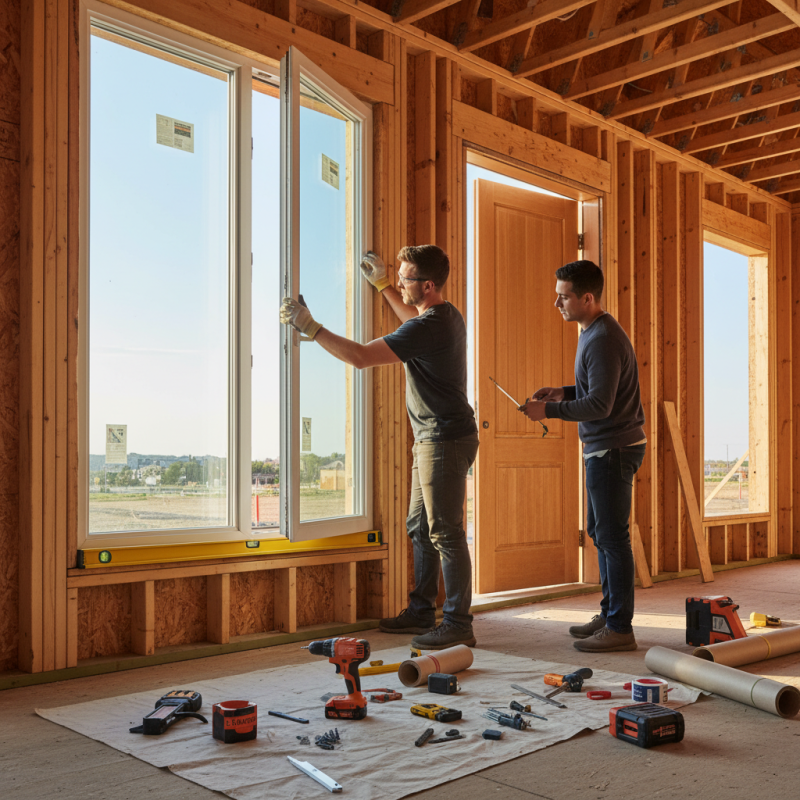
When installing windows, ensure that the frame is square. Measure each side before securing it. Use shims to adjust and maintain alignment. This practice avoids future issues like gaps or misalignment. For doors, check the threshold and ensure it's level. An unlevel door allows for security breaches and weather infiltration.
One common mistake is neglecting insulation. Insulating around windows and doors prevents heat loss. This step enhances energy efficiency and comfort. It’s often overlooked, but it’s essential. Regularly inspect your installations for any signs of wear. Minor issues can escalate if not addressed promptly.
2026 How to Master Window and Door Installation Techniques? - Understanding the Importance of Proper Window and Door Installation
| Installation Technique |
Importance |
Common Mistakes |
Best Practices |
| Measuring for Fit |
Ensures proper sealing and energy efficiency. |
Inaccurate measurements leading to gaps. |
Double-check measurements before cutting. |
| Leveling |
Prevents water pooling and improves functionality. |
Ignoring level adjustments can cause issues. |
Use a level tool for accuracy during installation. |
| Sealing and Insulation |
Reduces energy loss and prevents drafts. |
Poor sealing can lead to leaks and moisture issues. |
Apply insulation foam and weather stripping properly. |
| Hardware Installation |
Ensures smooth operation and security. |
Incorrectly installed hardware can lead to malfunctions. |
Follow manufacturer instructions closely for hardware. |
| Final Inspection |
Confirms integrity of installation and functionality. |
Skipping inspection can overlook significant issues. |
Conduct thorough checks for alignment and operation. |
Essential Tools and Materials for Window and Door Installation
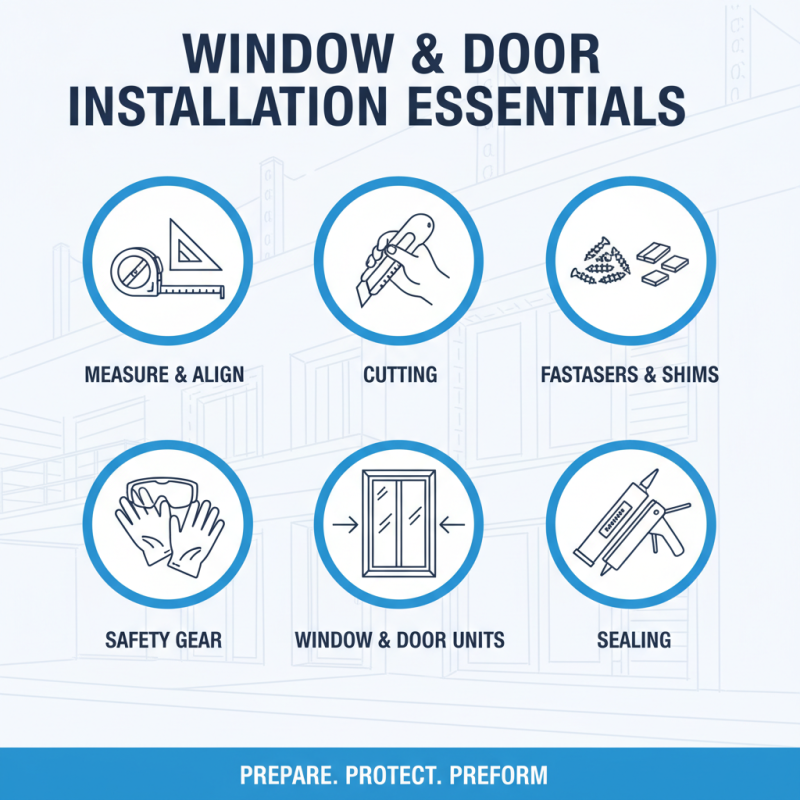
When it comes to window and door installation, having the right tools and materials is crucial. Essential items include a tape measure, level, and framing square. A quality utility knife is necessary for cutting. You will also need various fasteners such as screws and shims. Don't overlook personal protective equipment like gloves and safety goggles. They keep you safe while working.
Tips: Always keep your tools organized. It helps you find what you need quickly. Before starting, check that your materials are all in good condition. Using damaged items can lead to poor installation and safety hazards.
Additionally, pay attention to weather conditions. Moisture can affect materials, especially wood. If it's too humid or rainy, consider postponing your project. Remember, a solid installation takes time and patience—rushing can lead to mistakes.
Practice with different materials on a small scale first. This can highlight potential issues before they become bigger problems. Make a checklist before beginning. This strategy can simplify your workflow. Aim for precision in all measurements and cuts. It ensures a snug fit and enhances insulation. Proper installation can significantly impact energy efficiency and security.
Step-by-Step Guide to Preparing the Installation Area
Preparing the installation area is essential for a successful window and door installation. Start by clearing the workspace of any clutter. This allows you to move freely and access tools easily. Check the walls and floor for any damage. If you spot any issues, fix them before proceeding. A solid foundation is crucial for the longevity of your installation.
Tips: Use a drop cloth to protect the floor. It prevents scratches and keeps the area clean. Always wear safety glasses to protect your eyes from debris.
Next, gather all necessary tools and materials. Ensure you have everything within reach. This helps maintain focus and efficiency during the process. If some tools are worn out or missing, replace or buy them beforehand. It’s frustrating to pause work because of a missing tool.
Tips: Double-check the weather forecast. Installing during rain can lead to complications. Also, consider practicing on a scrap piece if you’re unsure about your skills. This can save time and reduce mistakes when you start the real installation.
Techniques for Installing Windows: Frames and Sealing
Installing windows and doors can be challenging. Precision matters for frames and sealing. Proper installation ensures energy efficiency and structural integrity. A well-installed window protects your home from the elements.
When it comes to frames, measurement is key. Incorrect dimensions can lead to gaps. This may cause air leaks or water intrusion. Always use a level to ensure your frames are straight. If they aren't, make adjustments before securing them in place. A slight tilt can worsen over time.
Sealing is equally important. Choose high-quality sealants to secure frames. Fill all gaps to prevent drafts. Use a caulking gun for a clean application. Inspect your work from both inside and outside. Mistakes in sealing can lead to costly repairs.
Tip: Before sealing, check the weather. Avoid application on wet days. Be aware that humidity can affect drying time. Use painter's tape to create clean lines for a professional finish. Stay patient, as rushing can lead to unsatisfactory results.
Techniques for Installing Doors: Alignment and Finishing Touches
Achieving perfect door installation requires a keen focus on alignment and finishing details. According to the National Association of Home Builders, improperly aligned doors can lead to a 15% increase in energy inefficiency. A precise level and plumb installation are essential. Use a laser level for enhanced accuracy. Ensure the door fits snugly within the frame to avoid future gaps.
Finishing touches are just as critical. The choice of trim and caulk can dramatically affect the visual appeal and durability. A study from Remodeling Magazine highlights that high-quality finishes can improve house resale value by up to 20%. This emphasizes the importance of investing time and materials into these details.
In practice, installers often overlook minor misalignments. Watch for small gaps at the top or sides of the door. These can lead to bigger issues later. Ensuring the hinges are appropriately aligned also contributes to smooth operation. Regularly checking the tightness of screws can prevent door sagging, which is often underestimated in long-term maintenance. Achieving a seamless look takes patience and precision.






Share On: