What Are Storm Windows With Screens and How Do They Work?
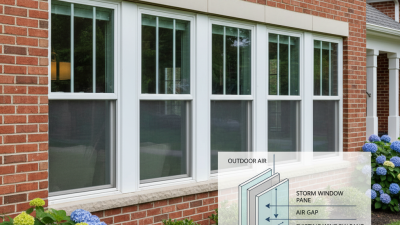
Storm windows with screens are secondary window panels designed to improve comfort without replacing the main window. They usually attach to the exterior or interior frame. A glass or acrylic panel reduces drafts, while a screened section allows fresh air and blocks insects. On a warm afternoon, you might open the main sash behind the mesh and feel air move through the room.
Their performance depends on more than the product label. A tight frame, properly fitted fasteners, and intact weatherstripping help limit cold air and rain. In winter, the sealed panel can create an extra insulating layer near the glass. During milder weather, the screen supports ventilation without inviting mosquitoes indoors. Many manufacturers offer removable combinations, so homeowners can change panels as seasons shift.
Details matter.
Older wood frames may be uneven. That can leave small gaps around a modern insert. Professional installers commonly measure several points, inspect the sill, and check drainage paths before recommending a style. Homeowners should also watch for condensation between layers. It may indicate excessive indoor humidity, blocked weep holes, or a failed seal.
These systems are useful, but they are not a perfect answer. They cannot repair rotten frames or replace unsafe primary glazing. Local climate, window design, and installation quality influence the result. This guide explains how storm windows with screens work, where they provide practical value, and which limitations deserve careful attention before purchase.
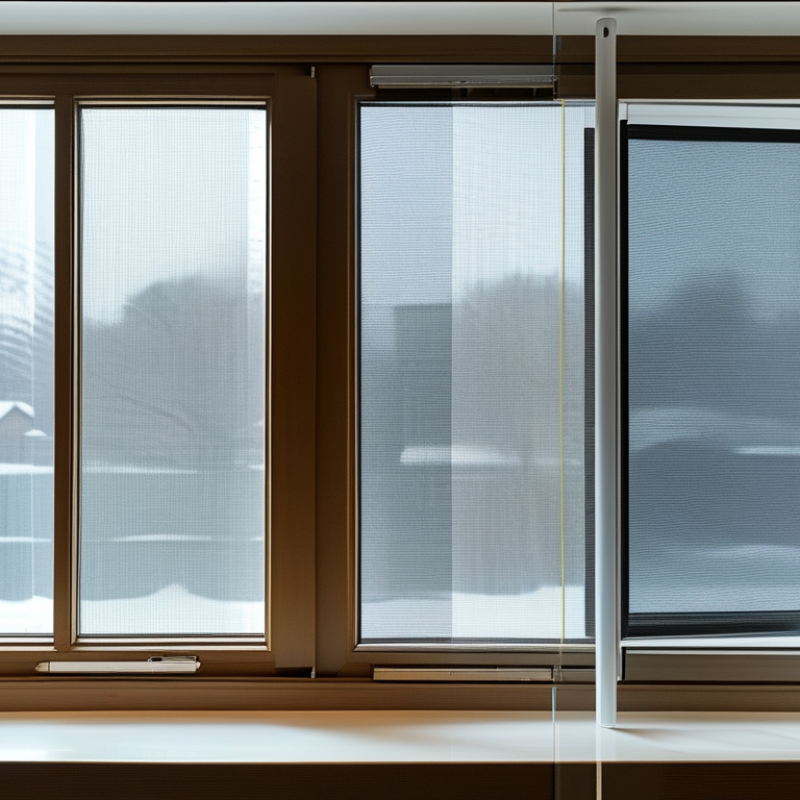
What Storm Windows With Screens Are
Storm windows with screens are secondary window panels fitted over existing windows. They add a protective layer without replacing the primary glass. A typical unit combines a rigid frame, a clear glass or plastic panel, and a screened section. The screened area allows outdoor air inside while blocking many insects. It may look simple. Yet performance depends on accurate measurements, secure fasteners, and proper drainage.
In warm weather, the screen section supports natural ventilation. Air passes through the mesh when the inner window is opened. This can reduce stuffiness in rooms facing porches or shaded walls. During colder or stormier periods, a solid panel usually covers the opening. It helps reduce drafts, wind-driven rain, and some heat loss. It does not make an old window fully airtight. That assumption causes problems.
Installation usually involves checking the opening for square corners, damaged trim, and gaps. The frame should sit evenly, while drainage paths must remain clear. Fine mesh improves insect control but can slightly restrict airflow. Clear plastic panels are lighter, but they may scratch or become cloudy sooner than glass. Inspect the edges after heavy rain. A loose screen, cracked panel, or blocked drain deserves attention before the next weather change. Measurements can still be wrong, even when the frame looks level.
How Screens Improve Ventilation and Protection
Storm windows with screens combine a protective outer panel with a mesh section for controlled airflow. The solid panel reduces drafts, outside noise, and heat loss around the existing window. The screen allows fresh air inside while blocking mosquitoes, flies, leaves, and small airborne debris.
Air still moves.
When both windows are opened, the screen creates a breathable barrier between the room and outdoors. A cross-breeze works best when windows on opposite sides of the home are open. Warm indoor air can escape through higher openings, while cooler air enters below. This simple pressure difference often improves comfort without running cooling equipment continuously.
Screens do not provide complete weather protection. Wind-driven rain may pass through damaged mesh or poorly sealed edges. During severe weather, homeowners should close the storm panels and follow local safety guidance. A careful installer checks the frame, fasteners, drainage paths, and the fit around the original window. Small gaps can admit insects and weaken insulation.
Mesh also needs regular attention. Dust can restrict airflow, even when the screen looks clean from inside. Wash it gently with mild water, then inspect loose corners and stretched fabric. I would not treat a screen as a security barrier; that assumption is easy to make and difficult to correct after damage occurs. In rooms used for sleeping, secure latches and clear emergency exits matter more than maximum ventilation.
Types of Storm Windows With Screens
Storm windows with screens add a protective layer over existing windows while allowing fresh air indoors. They usually contain glass or acrylic panels, plus a mesh screen for warmer days. The frame reduces drafts, outside noise, and heat loss. It does not replace a damaged primary window.
Types of Storm Windows With Screens
Exterior storm windows sit outside the main window frame. They handle rain and wind effectively, but installation must seal the edges carefully. Many exterior models use interchangeable glass and screen panels. A screen panel can replace the glass during mild weather.
Interior storm windows fit inside the room. They are easier to install and clean, especially in upper-floor apartments. However, they may feel less convenient when you want to open the original window often. Moisture can also collect between layers if the seal is poor.
Combination storm windows use separate tracks for glass and screens. One panel slides upward while another moves downward. This design is practical for bedrooms and kitchens. Triple-track versions offer more flexible ventilation. Removable storm panels are simpler and often lighter, but storage becomes a real issue.
Some older frames bend slightly over time. That small gap matters. Measure each opening instead of assuming every window has the same size. A snug fit, clear drainage path, and durable mesh usually matter more than decorative features. They are not perfect.
Installation, Maintenance, and Common Uses
Storm windows with screens add a practical layer outside or inside an existing window. The storm panel reduces drafts, rain, and heat loss. A removable screen allows fresh air while blocking insects. In mild weather, you can open the main window behind the screen. During storms or cold nights, close the storm panel for better protection.
Installation requires accurate measurements of the window opening. Clean the frame before placing the panel. Fasten each corner securely, but avoid overtightening the screws. Excess pressure can bend the frame. Check the edges for even contact. A small gap can admit water and wind. Even experienced installers may miss one, especially on older, uneven windows. Recheck the panel after the first heavy rain. Maintenance includes washing the glass, clearing screen debris, and inspecting seals each season. Replace torn mesh promptly. Lubricate moving latches lightly when they become stiff.
Tips: Label each panel before storage. Keep screens dry and upright. Do not use harsh cleaners on coated frames. Storm windows suit older homes, bedrooms, porches, and rental properties where replacement windows are impractical. They can also improve comfort in rooms facing busy streets. However, they are not a substitute for damaged primary windows or professional structural repairs.
Storm Windows With Screens: Recommended Annual Maintenance
This chart shows practical yearly maintenance frequencies for storm windows with screens. Inspect and clean them at least twice a year, lubricate moving tracks once a year, and repair or replace damaged screens whenever damage is found. Regular maintenance helps preserve ventilation, weather protection, and window operation.



Share On: