Best Tips for Remodeling Windows in Your Home?
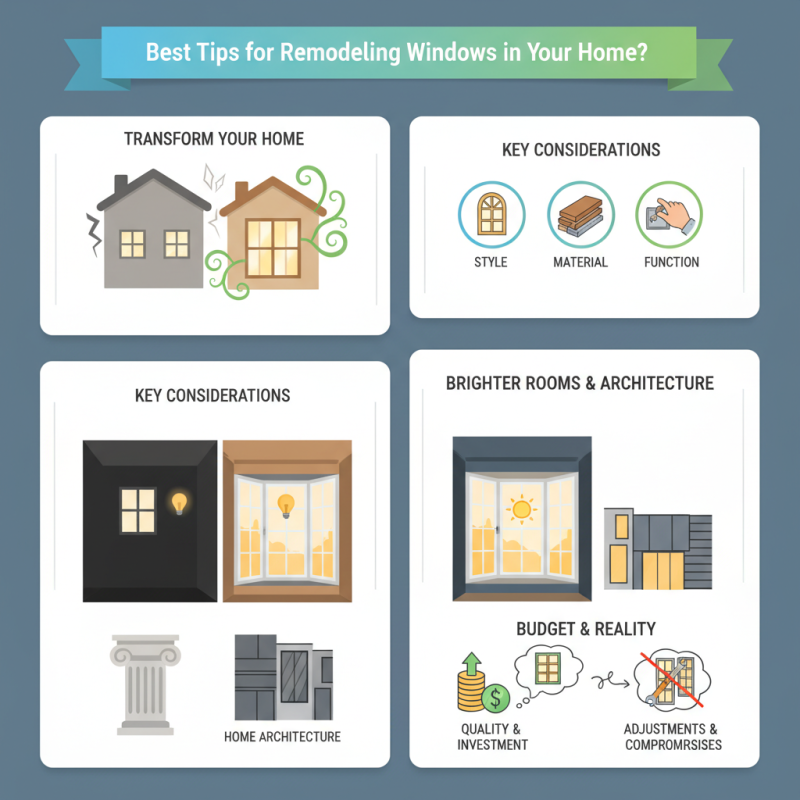
Remodeling your windows can transform your home. It not only enhances beauty but also improves energy efficiency. The right changes can make a significant difference in comfort and savings.
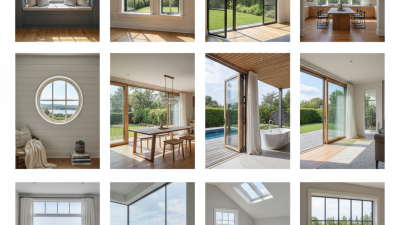
When you decide to remodel windows, consider factors like style, material, and function. Different designs can drastically alter your home’s appearance. For example, choosing larger or more numerous windows can brighten up a dark room. However, it’s essential to reflect on your home’s architecture and your personal taste.
While remodeling, keep budget considerations in mind. Quality windows can be expensive but provide long-term benefits. Researching and selecting the best options ensures you maximize your investment. Even with perfect planning, sometimes expectations may not align with reality. Explore ideas but remain flexible; this process often involves adjustments and compromises.
Choosing the Right Type of Windows for Your Home Remodel
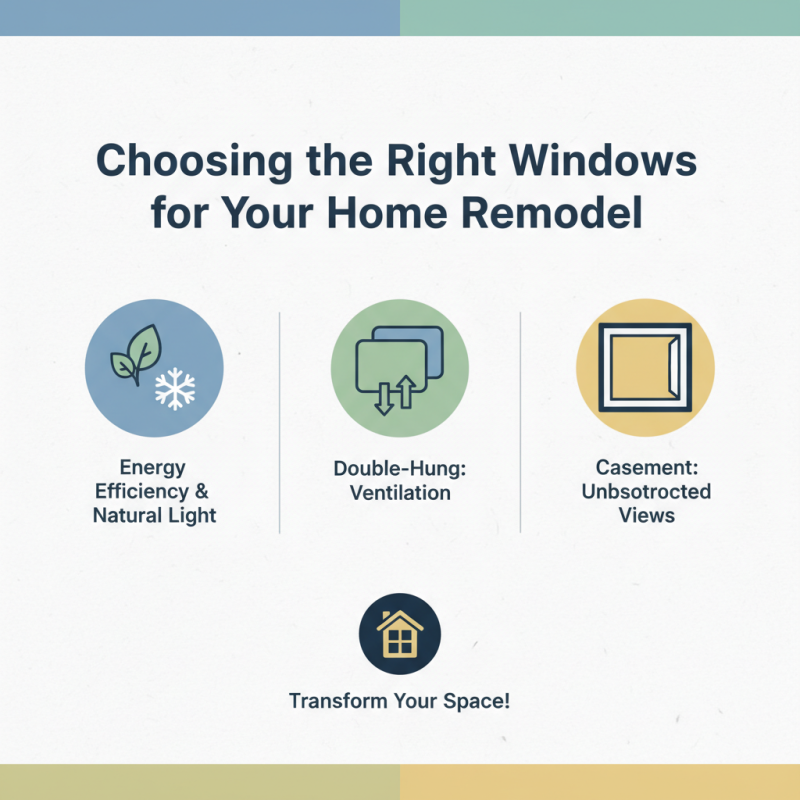
When remodeling your home, choosing the right type of windows is crucial. Different styles can transform the look and feel of your space. Consider factors such as energy efficiency and natural light. Double-hung windows offer ventilation, while casement windows provide unobstructed views. Each style has its own advantages and may suit different needs.
Energy efficiency is a priority for many homeowners. Look for windows with low U-values and good insulation properties. These features can significantly reduce your energy bills. However, balancing aesthetics and functionality can be challenging. Installing large picture windows creates a bright atmosphere but may reduce airflow.
Think about your home's architecture and climate when selecting window types. Rustic homes often benefit from wooden frames, while modern designs favor sleek, aluminum frames. Ensuring the windows compliment your exterior is vital. It's essential to weigh your options carefully. Installation can be costly, and once set, changing your choice can be difficult. Choosing thoughtfully can lead to long-term satisfaction.
Planning Your Window Remodeling Project: Key Steps to Follow
When planning your window remodeling project, start by assessing your current windows. Look for signs of wear or drafts. Consider the style and function you desire. Take measurements carefully to avoid costly mistakes. Each window should fit perfectly within its frame. These details matter.
Research various designs and materials that suit your home. Explore energy-efficient options to save on bills. Don't hesitate to ask for advice from professionals or experienced homeowners. Learn from others’ mistakes and successes. Keep an eye on your budget. Unexpected costs can arise. Always have a contingency fund in place.
Create a timeline for your project. This helps keep everything organized. Set realistic expectations. Delays can happen, especially if you’re doing it yourself. Remember, this is a process. It takes time to achieve the right look and functionality. Balancing quality and cost is essential. Choose wisely; your windows can define the entire space.
Best Tips for Remodeling Windows in Your Home
| Step |
Description |
Estimated Time |
Budget Range |
| 1. Assess Your Needs |
Determine the type of windows you need, their styles, and energy efficiency. |
1-2 Days |
$0 - $100 |
| 2. Plan Your Budget |
Create a detailed budget based on window types, installation, and additional features. |
2-3 Days |
$500 - $5000 |
| 3. Choose a Style |
Select window styles that match your home’s architecture and personal taste. |
1 Day |
$100 - $300 |
| 4. Hire a Professional |
Find qualified contractors for installation who have good reviews and experience. |
1-2 Weeks |
$200 - $2000 |
| 5. Monitor the Installation |
Ensure that the installation goes as planned and address any issues immediately. |
Ongoing |
N/A |
| 6. Finish & Inspect |
Conduct a final inspection to ensure everything is properly sealed and functional. |
1 Day |
$0 - $100 |
Understanding Energy Efficiency Ratings for Window Replacement
When considering window replacement, understanding energy efficiency ratings is crucial. The labeling system can be confusing. Generally, the ratings include U-factor, Solar Heat Gain Coefficient (SHGC), and Visible Transmittance (VT). Each rating impacts your home's energy usage. A lower U-factor indicates better insulation. According to the National Fenestration Rating Council, a U-factor less than 0.30 is optimal for energy efficiency in most climates.
Another critical measure is the SHGC. This rating tells you how much solar heat passes through the window. A lower SHGC value is preferable in hot climates, while a higher value may benefit colder regions. Research shows that installing energy-efficient windows can reduce heating and cooling costs by up to 25%. However, many homeowners overlook the importance of considering their local climate when choosing windows.
Visible Transmittance (VT) matters as well. It reflects how much light enters your home. Higher VT values allow more natural light, improving ambiance and reducing reliance on artificial lighting. Balancing VT with U-factor and SHGC is essential but often complicated. Many people may find themselves making quick decisions without fully understanding the impact. Therefore, thorough research and possibly consulting with industry experts is recommended for informed choices.
Hiring Contractors vs. DIY: What to Consider for Window Remodeling
When considering window remodeling, homeowners often face a crucial decision: hire contractors or tackle the project themselves. The decision impacts both budget and quality. A recent survey by the National Association of Home Builders indicated that 56% of homeowners prefer hiring professionals for such tasks. This option typically ensures higher quality and compliance with building codes. Professionals bring experience and specialized tools, reducing the risk of costly mistakes.
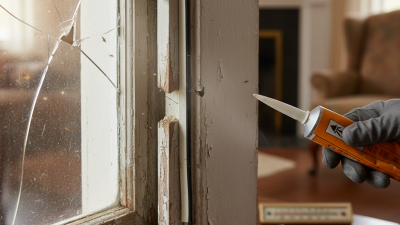
On the other hand, some choose the DIY route to save money. A report from HomeAdvisor shows that a DIY window project can reduce expenses by 30% or more. However, this path isn’t without pitfalls. Improper installation could lead to leaks and energy inefficiency. Research by the U.S. Department of Energy states that poorly installed windows can waste 20-30% of heating and cooling energy. For inexperienced individuals, the learning curve can be steep, making the potential savings less valuable.
Moreover, DIY projects often lack the warranty benefits that come with professional installations. HomeAdvisor found that 47% of DIY projects result in unexpected repairs. Homeowners should weigh the benefits and drawbacks before deciding. Understanding personal skills and resources is key; knowing when to seek help or do it yourself can make a significant difference in the outcome of window remodeling.
Budgeting for Your Window Remodel: Tips and Cost-Effective Solutions
When budgeting for a window remodel, it's essential to consider various factors. Set a clear budget before starting. This helps in making informed decisions without overspending. Research local costs and labor rates to create a realistic financial plan. Comparing quotes from multiple suppliers can also help you find the best deals.
One effective tip is to prioritize energy-efficient windows. They may have a higher upfront cost, but they can significantly reduce your long-term energy bills. Look into government incentives or rebates for energy-efficient upgrades. These can offset your initial expenditures.
Don’t overlook the importance of DIY projects. Simple tasks like painting or installing window treatments can save you money. However, be honest about your skills. If a job feels too complex, consider hiring a professional. Balancing DIY with expert help can lead to substantial savings while ensuring quality workmanship.



Share On: