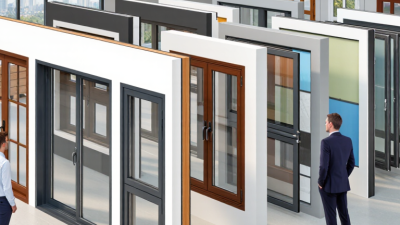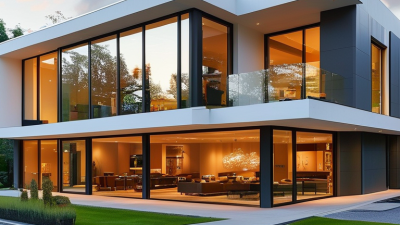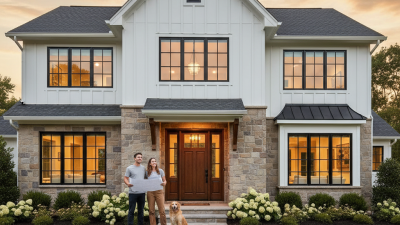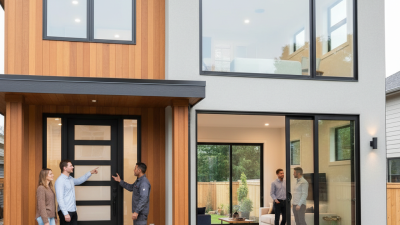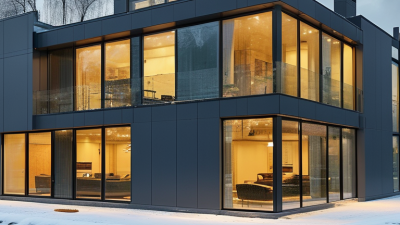
For global buyers, choosing windows and doors in 2026 means balancing climate, building design, budget, and everyday use. The windows doors market offers many options, but no single style works everywhere. A sunlit coastal home may need different glazing and hardware from a cold, windy apartment. Small details matter: frame depth, seals, drainage paths, and the feel of a handle during daily use. Architectural authority Louis Kahn captured the value of daylight: “A room is not a room without natural light.”
This guide surveys popular window types, including casement, sliding, tilt-and-turn, and fixed designs. It also compares entry, patio, sliding, and folding doors. Materials such as aluminum, timber, uPVC, and fiberglass bring different strengths and trade-offs. Aluminum can support slim sightlines; timber offers warmth but needs suitable care. Performance depends on the complete assembly, not just the frame. Look for clear product data on air leakage, water resistance, thermal performance, and acoustic control. Ask how those results apply to your project.
Global sourcing adds another layer. Shipping, installation skills, replacement parts, and local climate can change the real cost of a product. Verify test reports and warranties with the supplier, and confirm that the chosen system suits local project requirements. A premium unit can still disappoint if it is poorly installed. This guide cannot name one universal winner. It can help buyers ask sharper questions, compare realistic options, and spot the details that are easy to overlook. Some choices remain compromises. That deserves honest attention.
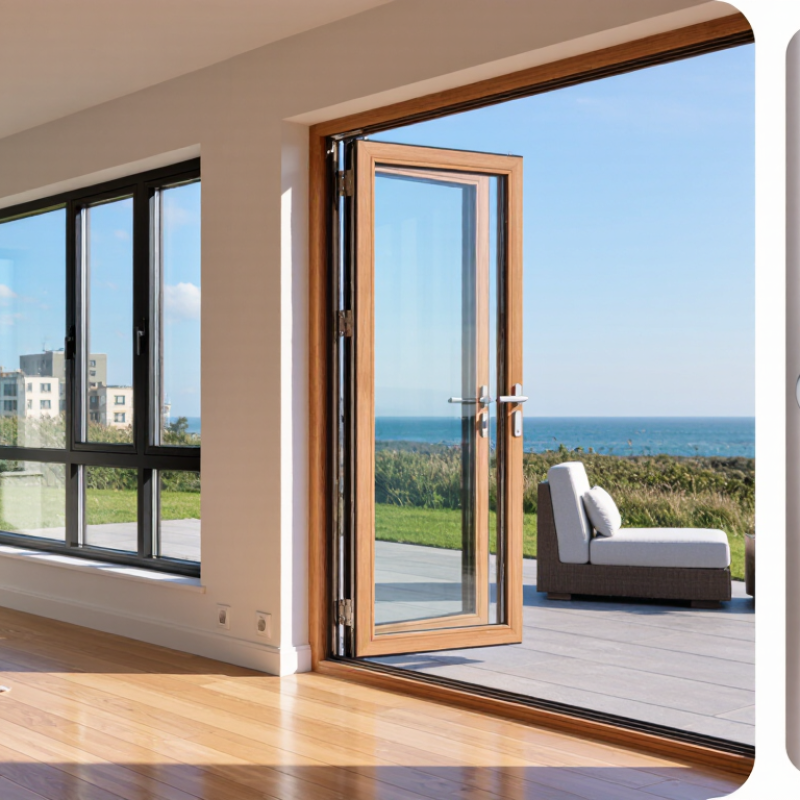
2026 Top Types of Windows and Doors for Global Buyers?
Window and Door Categories Shaping Global Markets in 2026
In 2026, buyers are comparing materials and opening styles against climate, building use, and maintenance capacity. Thermally broken aluminum remains a practical choice for large glazed openings, while uPVC often suits projects seeking low upkeep and steady insulation. Timber or aluminum-clad frames appeal where interior warmth matters, though finishes and moisture control need careful review.
Sliding and folding doors connect living spaces to patios, but track drainage and threshold height can affect daily use. Tilt-and-turn windows offer flexible ventilation and inward access for cleaning. Entry doors increasingly combine insulated cores with durable weather seals. No category fits every site. Details matter.
Tips: Match the frame and glazing to local temperature swings, wind exposure, and noise levels. Ask for tested performance data, not just broad efficiency claims. Check hardware, gasket availability, and repair access before ordering. A low threshold may help movement between rooms, but it can complicate water management in exposed locations. Small omissions here can become costly.
For international projects, confirm opening direction, dimensions, glass specification, and installation tolerances early. Coastal air, dusty conditions, and intense sunlight can change material choices. Even a high-performing unit may disappoint if fitted poorly; installation quality deserves the same attention as the product itself. Some specifications still vary by market, so buyers should verify them with qualified local professionals.
Material selection shapes a window or door’s weight, maintenance needs, and thermal performance. Aluminum frames suit wide openings and slim sightlines, but thermal breaks help limit heat transfer. Check the frame section, not just the finish. uPVC can offer low maintenance and useful insulation, though large units may need careful reinforcement. Timber brings natural warmth and can be repaired, but exposed coatings need periodic attention. No material is perfect.
Design should match how people use each room. Casement windows open wide for ventilation and often seal tightly when closed. Sliding designs save space, though their tracks need regular cleaning to move smoothly. For doors, hinged panels provide a familiar, secure-feeling entry; sliding systems connect patios to living areas without requiring swing space. A low threshold can ease access, but it must still manage rainwater effectively. Details matter.
Compare performance data for the complete unit, including its frame, glass, and seals. Look for documented thermal ratings, air leakage, water resistance, and wind-load performance suited to the project’s climate and building height. Double glazing is common; low-emissivity coatings and gas-filled cavities may improve insulation, depending on the specification. Ask how the glass handles strong sunlight and whether safety glazing is needed in vulnerable locations. A sample corner or operating unit can reveal stiff handles, uneven seals, or noisy tracks. Paper specifications help, but sometimes the real fit is less tidy than expected.
2026 Top Types of Windows and Doors for Global Buyers
How to Match Window and Door Types to Building Needs
Choosing windows and doors should begin with the building, not appearance. A coastal home may need corrosion-resistant frames and strong water protection. A cold-climate apartment benefits from insulated glazing, tight seals, and low thermal transmittance. In hot regions, external shading and solar-control glass can reduce indoor heat. Casement windows often provide better ventilation than sliding windows, while sliding doors save space on balconies and patios. For busy streets, laminated glass and tested acoustic ratings may matter more than decorative details. There is no universal best type.
Tips: Check U-value, solar heat gain, air leakage, and water resistance. Ask for independent test reports. Confirm frame materials suit local humidity, sunlight, and maintenance habits. Door thresholds need special care in rainy areas. A small design mistake can create years of discomfort.
For commercial buildings, entrance doors should match traffic levels, security needs, and accessibility requirements. Automatic systems may suit airports, but they can be excessive for a small clinic. Fire-rated doors must be selected according to the building’s approved design and local regulations. Before ordering, compare opening sizes, hardware quality, installation tolerances, and replacement access. Experienced installers often identify problems that drawings miss. I have seen attractive systems fail because drainage was overlooked. That detail deserves more attention.
2026 Top Types of Windows and Doors for Global Buyers
Regional Preferences, Climate Factors, and Code Requirements
In 2026, global buyers should treat windows and doors as climate equipment, not simple finishes. Coastal homes often need corrosion-resistant hardware, laminated glass, and tested wind resistance. In hurricane-prone zones, impact-rated assemblies can reduce flying-debris risks. They still require correct installation.
Cold regions favor triple glazing, warm-edge spacers, insulated frames, and tight weather seals. In hot, sunny areas, low-solar-gain glass and exterior shading can limit indoor heat. Operable windows help in mild climates, but dusty or polluted cities may need filtered ventilation instead. This choice is easy to overlook.
Regional habits also shape design. Large sliding doors suit terraces in temperate markets, while inward-opening units may simplify cleaning in dense urban homes. Some buyers prefer smaller openings for security and energy control. Local expectations matter.
Code requirements can change the product list. Buyers should check U-values, solar heat gain, fire egress, safety glazing, accessibility, and minimum ventilation with the local authority. Coastal and high-rise projects may face additional water, wind, and pressure tests. A product passing one country’s standard may fail another’s approval process. That assumption needs questioning. Ask for current test reports, installation instructions, and project-specific calculations. A cheaper frame can become expensive after replacement, delays, or poor air sealing.
| Market / Climate Zone | Common Window Choices | Common Exterior Door Choices | Main Climate Considerations | Relevant Code and Compliance Checks | Practical Specification Priorities |
|---|---|---|---|---|---|
| North America Cold, mixed, hot-humid, and storm-prone climates |
Double-hung and single-hung windows are common in many residential markets; casement, sliding, and fixed windows are also widely used. | Insulated entry doors, sliding patio doors, and hinged patio or French-style doors. | Cold regions need good insulation and reduced air leakage. Hot-humid areas benefit from solar-control glazing and moisture-resistant detailing. Coastal and hurricane-prone locations may require impact protection or tested wind-pressure performance. | Check the locally adopted International Residential Code (IRC) or International Building Code (IBC), energy-code requirements, safety-glazing rules, and applicable product ratings. NFRC labels are commonly used to report U-factor and solar heat gain coefficient (SHGC) for rated products. | Confirm whole-unit performance, safety glazing where required, water penetration resistance, and project-specific wind-load or impact requirements. Do not assume one rating applies across all states or provinces. |
| Northern and Western Europe Cool, wet, and temperate climates |
Tilt-and-turn windows are widely used in many European markets; fixed, inward-opening casement, and roof windows are also common, depending on the country and building type. | Insulated hinged entrance doors, glazed balcony doors, and lift-and-slide or sliding patio doors. | Thermal insulation, airtightness, rain resistance, and control of condensation are important in cool or wet conditions. Solar-control glass can be useful for highly glazed façades in warmer seasons. | Check national building regulations and the applicable harmonised product standards. EN 14351-1 covers performance characteristics for windows and external pedestrian doorsets; required declarations, marking, and assessment routes depend on the product and market. | Compare declared thermal transmittance (U-value), air permeability, watertightness, and wind-load performance. Verify opening direction, escape requirements, and installation details under local rules. |
| East Asia Cold northern winters, humid summers, and typhoon-exposed coasts |
Sliding windows are common in many housing markets; casement, tilt-and-turn, and fixed units are also used. High-rise projects may specify tested façade or window systems. | Sliding balcony doors, insulated hinged entrance doors, and tested doorsets for apartment or high-rise projects. | Specifications vary substantially between cold northern areas and hot, humid coastal areas. Typhoon exposure makes wind pressure, water penetration, hardware, and installation especially important in affected locations. | Check the applicable national building law and local standards, including Japan’s Building Standards Act and relevant JIS standards where applicable. Requirements differ across Japan, China, Korea, and other markets; confirm local approval and test documentation. | Specify performance for the project’s height and exposure, not just the general region. Check drainage, corrosion resistance near the coast, and safe glazing and fall-protection provisions where required. |
| South Asia Hot, monsoon, humid, and high-solar-exposure climates |
Sliding, casement, and louvred windows are used according to ventilation needs, building type, and local practice; fixed glazing is common in some commercial façades. | Hinged entrance doors and sliding balcony or patio doors; material and finish selection often reflects heat, rain, and maintenance conditions. | Solar heat gain, intense rain, humidity, dust, and ventilation needs are key considerations. Coastal areas also need suitable corrosion resistance and wind performance. | Check the locally adopted National Building Code and applicable BIS standards in India, or the relevant national and municipal rules in other countries. Confirm energy, fire-safety, structural, and safety-glazing requirements for the specific building. | Prioritise shading, suitable solar-control glazing, reliable drainage, weather seals, and corrosion-resistant hardware. Performance needs vary between inland, mountain, and coastal locations. |
| Middle East Hot-arid, high-UV, and coastal climates |
Fixed glazing, sliding windows, and casement windows are used in residential and commercial projects; façade systems are common in larger buildings. | Insulated hinged entrance doors and sliding or lift-and-slide doors for balconies and terraces. | High solar exposure and cooling demand make solar heat gain control important. Coastal environments can accelerate corrosion, while windblown sand and dust can affect seals and moving hardware. | Check the relevant emirate, city, or national building code and project requirements. Energy-efficiency provisions, façade testing, fire rules, and product approvals differ by jurisdiction; local authority approval may be required. | Review solar heat gain, thermal performance, UV exposure, air and water leakage, finish durability, and hardware suitability. Use project-specific testing for large or high-rise glazed openings. |
| Australia and New Zealand Temperate, tropical, alpine, and cyclone-prone zones |
Awning, casement, sliding, and fixed windows are common; selections vary with ventilation, weather exposure, and building design. | Hinged entry doors, sliding patio doors, and glazed doorsets, with tested products used where exposure or project requirements demand them. | Conditions range from cool alpine climates to hot, humid tropics. In cyclone-prone regions, wind pressure, debris impact where required, and water resistance can be critical. | Check the locally adopted National Construction Code (NCC) in Australia or New Zealand Building Code requirements. AS 2047 is a relevant Australian standard for windows and external glazed doorsets; project-specific structural and weatherproofing requirements also apply. | Confirm the applicable climate zone, energy provisions, wind classification, safety glazing, and any cyclone-region requirements. Verify that the tested product configuration matches the installed size and hardware. |
| Latin America Tropical, high-altitude, temperate, and hurricane-exposed areas |
Sliding and casement windows are common in many markets; louvred windows may be selected where ventilation is a priority, and fixed glazing is used in façades. | Hinged entrance doors and sliding patio doors; impact-rated openings may be specified in hurricane-exposed locations. | High rainfall, humidity, strong sun, and regional storm exposure influence material, glazing, drainage, and seal selection. High-altitude locations can have strong solar exposure and cooler nights. | Building codes and product standards are country- and municipality-specific. Check local structural, energy, fire, safety-glazing, and hurricane or wind-load rules; requirements should not be inferred from a neighbouring market. | Confirm local test evidence for wind pressure, water penetration, and impact resistance where applicable. Consider UV durability, corrosion resistance, ventilation, and readily available replacement hardware. |
Note: The entries describe common market patterns, not mandatory selections. Applicable codes, climate zones, test methods, and performance thresholds vary by country, locality, building type, opening size, and site exposure. Confirm requirements with the local authority and project professionals before ordering.
A practical buyer checklist should begin with climate, not appearance. In hot regions, compare solar heat gain coefficient, glass coating, and external shading. In cold regions, prioritize low U-value, warm-edge spacers, and triple glazing. The U.S. Department of Energy reports that windows can cause 25–30% of residential heating and cooling energy use. That makes glass selection a long-term operating decision, not a decorative upgrade.
Check the whole unit. A strong frame cannot rescue poor installation. Aluminum with thermal breaks suits large openings, while uPVC and engineered timber can improve insulation in different climates. For doors, inspect threshold drainage, compression seals, hinge strength, and water penetration testing. Ask for independently verified U-factor, air leakage, and solar performance data. Look for recognized testing standards, not vague phrases like “energy saving.”
Measure twice. Cheap glass disappoints.
The International Energy Agency reports that buildings used about 30% of global final energy in 2022. Better windows and doors can support lower demand, but savings depend on orientation, ventilation, shading, and workmanship. Request a written warranty, replacement-part availability, installation tolerances, and maintenance instructions. Compare total life-cycle cost, including freight, fitting, cleaning, and future seal replacement. I would not choose the lowest quotation without reviewing these details. A higher initial price may be reasonable, yet assumptions still need checking. (Sources: U.S. Department of Energy Energy Saver; International Energy Agency, Buildings.)
476 Main Street - Route 28
Dennisport, MA 02639
Share On: