Blog

Why Is Storm Window Repair Important?

Storm window repair matters because a damaged unit can turn a small weather weakness into a costly building problem. Cracked glazing, loose frames, failed seals, and blocked drainage channels can admit wind-driven rain. Moisture may then stain interior trim, weaken wooden sashes, and encourage mold growth. The damage often begins quietly.

The U.S. Department of Energy identifies storm windows as an effective way to improve comfort and reduce heat transfer in existing homes. The Attachments Energy Rating Council reports that certified low-emissivity storm windows can reduce heating and cooling costs by approximately 10% to 30%, depending on the building and climate. These figures describe properly selected products, not every aging window. That distinction matters.

Repair also protects the original window system. A contractor who replaces only visible glass may miss warped frames or deteriorated weep paths. A hands-on inspection should check the sill, fasteners, glazing compound, seals, and surrounding wall. Take photographs before work begins. Record drafts after repair.

Building scientist Joseph Lstiburek has repeatedly emphasized a simple principle: “Water is a powerful solvent.” His warning fits storm windows perfectly. Once water enters repeatedly, paint and wood rarely remain unaffected. The Insurance Institute for Business & Home Safety also recommends maintaining exterior openings before severe weather arrives.

Still, storm window repair is not a universal fix. Severe frame rot, unsafe glass, or major air leakage may justify replacement. A careful professional should explain that possibility honestly. The right repair restores protection, preserves energy performance, and helps a home remain comfortable during the next hard rain. Sometimes, the smallest gap deserves the closest attention.
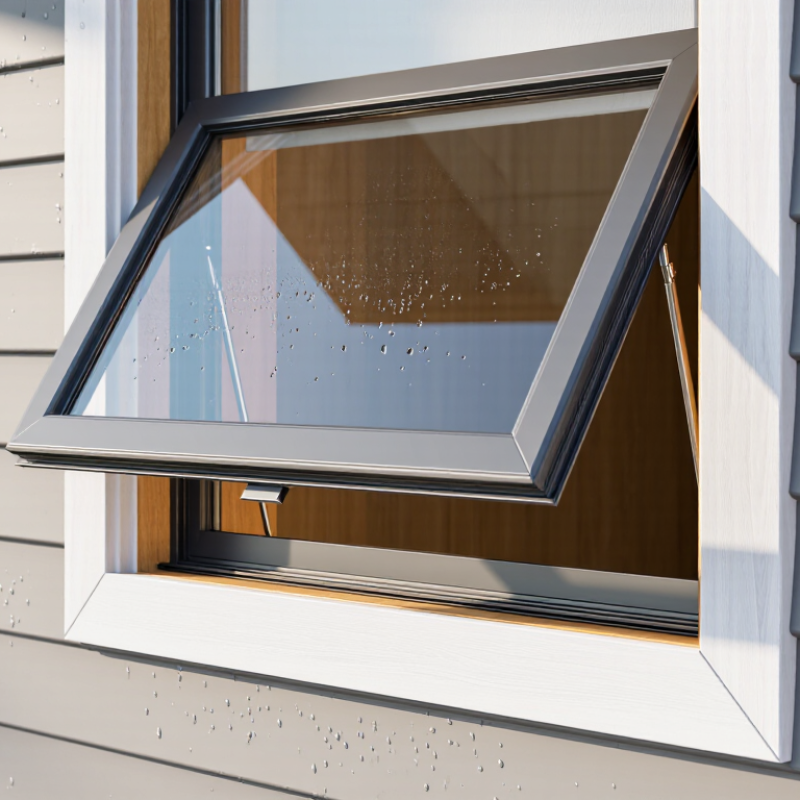
Why Is Storm Window Repair Important?

Storm Windows and Energy Loss: DOE Reports 12–33% HVAC Savings with Low-E Units

Why Is Storm Window Repair Important?

Storm windows are not merely seasonal accessories. They form a secondary air barrier outside the primary window, reducing drafts, heat transfer, and moisture intrusion.

The U.S. Department of Energy reports that properly installed low-emissivity storm windows can reduce heating and cooling energy use by approximately 12% to 33%, compared with some existing clear-glass windows.

That range matters in older homes with loose frames, cracked glazing, or single-pane units. Small gaps matter.

A damaged storm window cannot deliver its rated performance. Bent tracks may leave a visible opening along the sill. Failed seals can allow cold air to move behind the frame, while condensation may collect on nearby wood.

Repair technicians should inspect fasteners, corner joints, glazing, weatherstripping, and drainage paths before recommending replacement.

The Federal Energy Management Program identifies air leakage as a significant contributor to building energy waste, although actual savings depend on climate, window condition, installation quality, and occupant behavior.

Low-E storm units reflect infrared heat while allowing useful daylight through the glass. In winter, interior warmth stays inside longer; during summer, less solar heat enters the room.

DOE guidance also notes that installation quality strongly affects measured results. That assumption is easy to miss.

A high-performing unit installed over a warped frame may save little. Field inspections sometimes reveal another problem: homeowners blame the window when attic insulation or wall leakage causes most of the discomfort.

Repair decisions should follow evidence, not only a product label.

How Damaged Frames Increase U-Factor and Reduce NFRC Thermal Performance

Why Is Storm Window Repair Important?

How Damaged Frames Increase U-Factor and Reduce NFRC Thermal Performance

A storm window frame does more than hold glass in place. It helps maintain a sealed air space around the primary window. When the frame bends, cracks, or separates at the corners, outdoor air can move through tiny openings. Small gaps matter. This leakage increases heat transfer and can raise the unit’s U-factor. A higher U-factor means poorer insulation and greater energy loss.

NFRC thermal performance depends on a properly assembled window system. Damaged frames may allow moisture, wind, and dust to enter the cavity. Moist air can condense on colder surfaces, reducing comfort and potentially damaging nearby materials. Warped tracks may also prevent sashes from closing tightly. The glass may look intact, yet the complete assembly performs below its expected rating. Testing tells more.

During inspections, I have found that a quick bead of caulk often looks convincing but fails around moving joints. The repair should address the cause, not only the visible gap. Technicians typically check frame alignment, corner connections, fasteners, weatherstripping, and drainage paths. Replacement parts should fit without forcing the frame into position. That detail is easy to overlook. I have also learned that a repaired frame may still perform poorly when the surrounding wall or primary window has air leaks. Careful measurement and documented observations make the repair decision more reliable.

Why Is Storm Window Repair Important?

How damaged frames increase U-factor and reduce NFRC thermal performance

U-factor measures heat flow through a window assembly in Btu/h·ft²·°F; lower values indicate better insulating performance. The representative comparison shows that loose seals, cracked frames, and open gaps can increase heat transfer and reduce the thermal benefit of a storm window. Actual NFRC-rated values vary by glazing, frame material, installation, and test configuration.

Air Leakage and Indoor Comfort: Why Sealing Storm Windows Matters

Why Is Storm Window Repair Important?

A damaged storm window can turn a quiet room into a drafty one. Small gaps around the sash allow cold air, wind, and moisture to enter. You may feel this near a chair, bed, or desk before seeing the problem. The U.S. Department of Energy reports that air sealing can reduce heating and cooling costs by 10% to 20%. That saving depends on the building, climate, and repair quality. Still, the effect is practical: less thermostat adjustment and steadier indoor temperatures.

Sealing storm windows also supports comfort at the glass surface. When outdoor air reaches the inner pane, the nearby wall can feel noticeably colder. Occupants may raise the thermostat, even when the room’s average temperature seems acceptable. The Department of Energy notes that windows can account for about 25% to 30% of residential heating and cooling energy use. A repaired storm window adds another air barrier. It can reduce rattling, dust movement, and drafts around older frames.

A careful inspection matters. Check cracked glazing, loose fasteners, flattened seals, and blocked drainage holes. Do not seal every opening blindly; some designs need drainage for condensation. This is where repairs can become imperfect. A thick bead of caulk may hide a gap but create water problems later. The work should follow the window’s construction and local weather exposure. Measuring leakage before and after repair can reveal whether the fix improved comfort or only looked complete.

Safety and Weather Resistance: FEMA Identifies Windows as Vulnerable Openings

Why Is Storm Window Repair Important?

Safety and Weather Resistance: FEMA Identifies Windows as Vulnerable Openings

FEMA identifies windows and other openings as vulnerable parts of a building during severe weather. Wind pressure can loosen frames, break glass, or force rain through small gaps. A damaged storm window is not merely an appearance problem. It can expose occupants to flying shards and rapidly changing indoor conditions. Windows fail quietly. A hairline crack may widen when debris strikes nearby.

During an inspection, I look for loose fasteners, warped tracks, failed seals, and water stains beneath the sill. These details show how weather resistance has already weakened. Repair should match the damage. A professional may replace cracked glazing, reset the frame, renew seals, or reinforce attachment points. Temporary tape can limit drafts, but it cannot restore structural protection. This is where homeowners sometimes misjudge the risk. I have seen a minor rattle dismissed until the next heavy storm made the opening unsafe.

Reliable repair also requires careful verification. Check that the window closes fully, locks firmly, and sits squarely within its frame. Ask whether replacement materials meet local building requirements and the window’s intended performance. FEMA guidance supports treating openings as part of a broader risk-reduction plan, not as isolated decoration. Still, guidance cannot replace a site-specific assessment. Older homes may hide corrosion, rot, or previous repairs behind trim. Photographs help track defects, although they can miss movement that hands can feel. After repair, inspect the interior following rainfall, when a weak seal becomes visible.

Repair Decisions: Assessing Glass, Frames, Seals, Hardware, and Replacement Costs

Why Is Storm Window Repair Important?

Storm window repair begins with the glass, but glass is only one part of the decision. A small crack can admit rain, increase drafts, and weaken the sash. I inspect the edges first. Fogging between panes usually indicates failed seals, not dirty glass. Replacement is often sensible when cracks, deep scratches, or repeated condensation remain. Small defects matter.

Frames need equal attention. Wood frames may soften at the sill, while metal frames can corrode around fasteners. A loose frame allows air movement even when the glass looks perfect. I check corners, drainage holes, and alignment before recommending new units. The U.S. Department of Energy reports that low-emissivity storm windows can reduce heating and cooling costs by 12% to 33%. However, damaged frames can erase much of that benefit.

Seals and hardware often offer the cheapest repair path. Replace brittle weatherstripping, missing clips, broken latches, and hardened glazing compound. Measure twice. A repair may cost less than replacement, but poor measurements create another service call. The 2024 national Cost vs. Value report placed average vinyl window replacement at about $21,264, with approximately $14,530 recovered at resale. That figure covers full replacement, not storm windows. Local labor, access, window size, and historic materials can change the calculation sharply. I sometimes prefer repair, then reconsider after one hard winter.

Share by: